
Behavioral Science
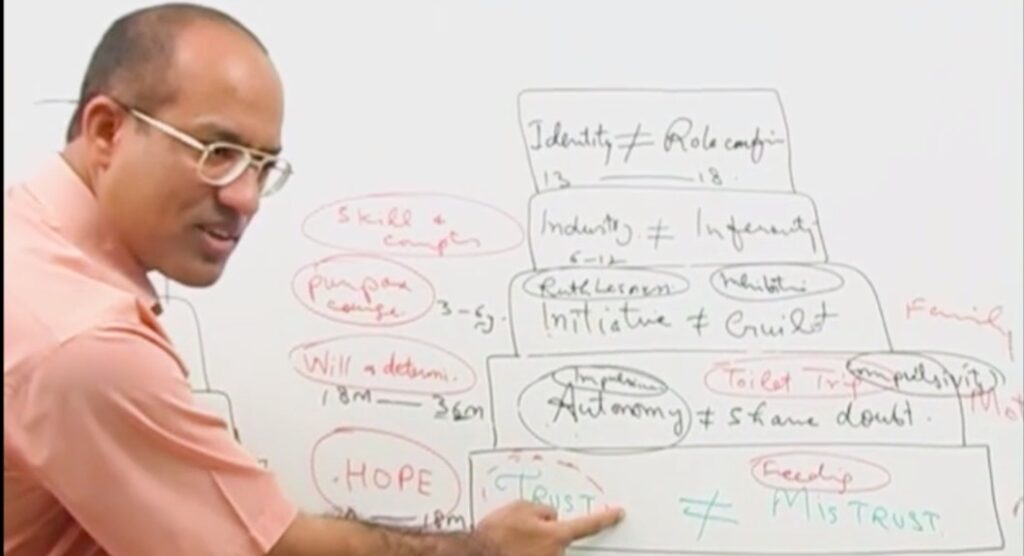
Behavioral science asks how people think, feel and change, and it is a subject that repays careful study because it shapes how a doctor listens as well as what a doctor prescribes. This focused course gives you two of its most useful foundations. In six hand-drawn lectures, Dr. Najeeb introduces the psychiatric terms you need before studying psychopharmacology, then explains how human personality develops. The course is taught by a teacher with over 40 years of experience.
| At a glance | Behavioral Science |
|---|---|
| Taught by | Dr. Najeeb, over 40 years of teaching experience |
| Lectures | 6 video lecture parts in 2 modules |
| Format | Live whiteboard drawing, one idea at a time |
| Starting point | No background needed; the lectures begin with the basic psychiatric terms |
| Membership | Lifetime access with the premium plan, future lectures included |
| Study notes | Handwritten notes for every lecture, sold separately (Notes add-on or Combo Plan) |
| Try before you buy | Sample lectures through a free “Try Us Free” account |
| Best for | Medical, dental, nursing, psychology and pharmacy students; USMLE Step 1, PLAB, COMLEX and NEET PG candidates |
Why Behavioral Science feels easier here
A clear vocabulary makes every later psychiatry topic easier. These lectures build that vocabulary and a framework for understanding personality.
- Psychiatric terms are defined in plain language, so drug mechanisms are easier to follow later.
- Personality development is explained step by step.
- Six lectures make the course ideal for quick, focused study.
- Handwritten notes for every lecture give you a clear revision set.
What you will be able to do after this course
- Define the core psychiatric terms used in psychopharmacology
- Describe the development of human personality
- Connect personality concepts to clinical behavior
- Prepare for the study of psychiatric drugs
Where behavioral science meets the clinic
- Understanding psychiatric presentations
- Communication with patients
- Personality and behavior in illness
- Foundations for psychopharmacology
Lecture roadmap: 6 parts in 2 modules
| Module | Topics (number of lecture parts) | Parts |
|---|---|---|
| 1. Psychiatric terms | Psychiatric Terms for Psychopharmacology (3) | 3 |
| 2. Personality | Development of Human Personality (3) | 3 |
Total: 6 lecture parts.
Is this course for you?
- Medical students beginning psychiatry and behavioral science
- Nursing, psychology and pharmacy students who need clear foundations
- Anyone who wants a short, focused review before an exam
- Candidates preparing for USMLE Step 1, PLAB, COMLEX or NEET PG
The course is short, so it fits easily around a heavy study schedule.
How to get the most from it
- Begin with the psychiatric terms, then study personality development.
- Write short definitions in your own words after each lecture.
- Apply each concept to a clinical example.
- Review from the handwritten notes.
To see the bigger picture, continue with Pharmacology for antipsychotic drugs and psychiatric therapy, Neuro Anatomy and Neuro Physiology for the brain basis of behavior, Clinical Medicine for clinical cases across specialties, Nervous System Pathology for neurological disease and Shorts and Mini Lectures for quick overviews across subjects.
Behavioral Science: quick answers
What is behavioral science?
Behavioral science studies how people think, feel and behave, including the psychological and social factors that influence health and illness.
Why are psychiatric terms important before psychopharmacology?
Drug classes in psychiatry are defined by the symptoms they treat, so a clear understanding of terms such as psychosis, mood and affect is needed to understand how the drugs are used.
What is personality?
Personality is the enduring pattern of thoughts, feelings and behaviors that distinguishes one person from another.
What are Freud’s structural components of the mind?
Freud described the id, the ego and the superego as the three components that interact to shape behavior.
What is a defense mechanism?
A defense mechanism is an unconscious process that reduces anxiety, for example repression, denial, projection or sublimation.
How are personality disorders grouped?
Personality disorders are grouped into three clusters: cluster A (odd or eccentric), cluster B (dramatic or erratic) and cluster C (anxious or fearful).
Frequently asked questions
Do I need prior knowledge before starting behavioral science?
No. The lectures start with the basic psychiatric terms, so a beginner can follow them. If you already know the topic, they work as a quick revision.
How many lectures are in the behavioral science course?
The course contains 6 lecture parts organized into two modules.
Which topics does the behavioral science course cover?
It covers the psychiatric terms used in psychopharmacology and the development of human personality.
Can I try some lectures before I buy?
Yes. Create a free Try Us Free account to watch sample lectures and see how Dr. Najeeb teaches before you choose a plan.
Do the lectures come with notes?
Yes. Handwritten notes are available for every lecture in this course. They are sold separately through the Notes add-on or the Combo Plan.
How long do I keep access to the lectures?
The premium plan gives you lifetime access, including any new lectures added to the library later.
Can I watch the lectures offline?
Offline viewing works only inside the official Dr. Najeeb Lectures app. The videos cannot be downloaded as separate files.
Will this course help with USMLE, PLAB, COMLEX or NEET PG?
It covers the behavioral science content that these exams test. It does not include a question bank or a certificate.
Can I get a refund?
Dr. Najeeb Lectures offers a 7-day refund. Email support@drnajeeblectures.com to request one.