
General Pathology
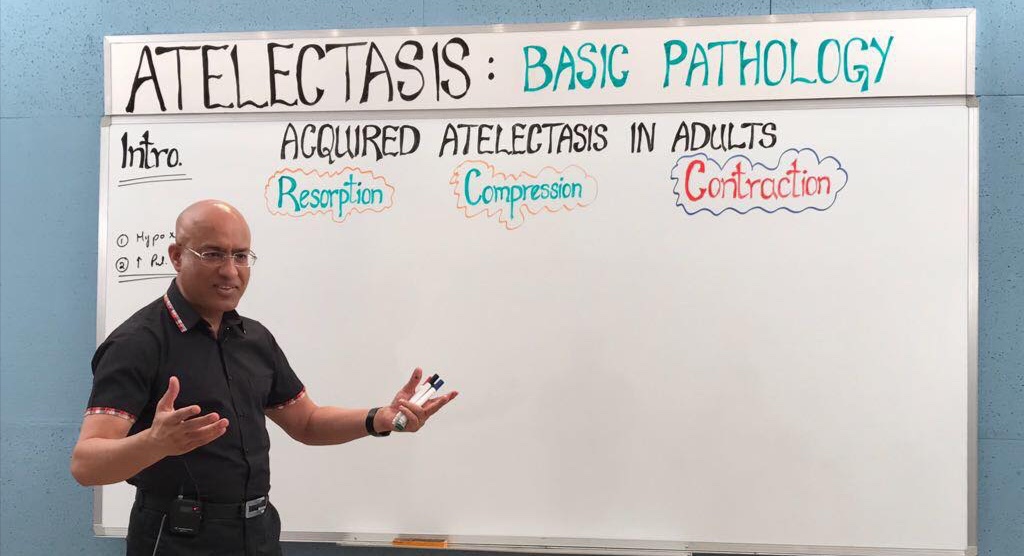
General pathology is the foundation under every other pathology course. Cells die, tissues swell, inflammation spreads and tumors grow, and these same processes appear in every organ. Dr. Najeeb’s General Pathology course teaches them once, thoroughly, in 42 hand-drawn lectures, so that when you meet them again in cardiac, renal or lung disease you recognize the pattern. The course is taught by a teacher with over 40 years of experience.
| At a glance | General Pathology |
|---|---|
| Taught by | Dr. Najeeb, over 40 years of teaching experience |
| Lectures | 42 video lecture parts in 5 modules |
| Format | Live whiteboard drawing, one idea at a time |
| Starting point | No background needed; the lectures begin with cell injury and death |
| Membership | Lifetime access with the premium plan, future lectures included |
| Study notes | Handwritten notes for 38 of the 42 lectures, sold separately (Notes add-on or Combo Plan) |
| Try before you buy | Sample lectures through a free “Try Us Free” account |
| Best for | Medical, dental, nursing and pharmacy students; USMLE Step 1, PLAB, COMLEX and NEET PG candidates |
The Dr. Najeeb approach to general pathology
Systemic pathology is far easier once the general principles are secure. These lectures build that base carefully.
- Necrosis and apoptosis are compared side by side, so the differences are easy to recall.
- Acute inflammation is taught as a sequence of vascular and cellular events with the molecules that drive them.
- Shock and edema are explained through the physiology behind them.
- Neoplasia is taught through nomenclature and the genes that control growth, which makes cancer biology approachable.
- Handwritten notes cover 38 of the 42 lectures.
Key topics you will master
- Distinguish necrosis from apoptosis and name the patterns of necrosis
- Describe the vascular and cellular events of acute inflammation
- Explain leukocyte margination, rolling and the role of selectins
- Classify the types of circulatory shock and their mechanisms
- Explain the causes of edema
- Use correct neoplasia nomenclature
- Explain the roles of oncogenes and tumor suppressor genes
- Describe paraneoplastic syndromes and Pancoast tumor
Clinical pearls inside the lectures
- Cell injury and tissue death
- Acute inflammation and its mediators
- Shock and circulatory failure
- Edema in heart, liver and kidney disease
- Cancer genetics
- Rheumatic fever
- Hypertensive retinopathy
- Atelectasis
The complete lecture list (42 parts)
| Module | Topics (number of lecture parts) | Parts |
|---|---|---|
| 1. Cell injury and death | Necrosis (2); Apoptosis, Basic Concepts (3) | 5 |
| 2. Acute inflammation | Vascular Events (4); Cellular Events: Margination (1); Cellular Events: Rolling (1); Selectins and Their Clinical Importance (1) | 7 |
| 3. Hemodynamic disorders | Circulatory Shock (4); Mastering Edema (3) | 7 |
| 4. Neoplasia | Nomenclature (3); Genes and Cancer (10); Paraneoplastic Syndromes (1); Lung Carcinomas and Pancoast Tumor (1) | 15 |
| 5. Genetics and clinical correlations | Linkage Analysis (3); Rheumatic Fever (1); Atelectasis (1); Hypertensive Retinopathy (3) | 8 |
Total: 42 lecture parts.
Perfect if you are
- Medical students beginning pathology
- Dental, nursing and pharmacy students who need strong principles
- Anyone revising before a general pathology block exam
- Candidates preparing for USMLE Step 1, PLAB, COMLEX or NEET PG
Complete this course before the organ-based pathology courses, and each of them becomes noticeably easier.
A suggested study routine
- Work through cell injury and inflammation first, since both recur everywhere.
- Draw the leukocyte extravasation sequence from memory until it is automatic.
- Study neoplasia nomenclature before cancer genes.
- Revise each module from the handwritten notes where available.
These courses connect naturally with General Pathology: Immunology for the immune response behind inflammation, Vascular Pathology for vessel disease and aneurysms, Cardiac Pathology for heart disease in depth, Hematopoietic and Lymphoid Pathology for leukemia and lymphoma and Respiratory Pathology for lung tumors and Pancoast syndrome.
Quick facts on general pathology
What is the difference between necrosis and apoptosis?
Necrosis is uncontrolled cell death that follows injury and provokes inflammation. Apoptosis is a regulated, energy-dependent process in which the cell is dismantled without inflammation.
What are the patterns of necrosis?
The main patterns are coagulative, liquefactive, caseous, fat and fibrinoid necrosis, and each has typical tissues and causes.
What are the cardinal signs of acute inflammation?
They are redness, heat, swelling, pain and loss of function.
How do leukocytes leave the bloodstream?
Leukocytes marginate along the vessel wall, roll on selectins, adhere firmly through integrins, migrate through the endothelium and move toward the injury along chemotactic gradients.
What are the main types of shock?
The main types are hypovolemic, cardiogenic, obstructive and distributive, which includes septic and anaphylactic shock. They differ in cause but all lead to inadequate tissue perfusion.
What is the difference between an oncogene and a tumor suppressor gene?
Oncogenes such as RAS and MYC promote growth when abnormally activated. Tumor suppressor genes such as TP53 and RB restrain growth, and their loss allows uncontrolled proliferation.
How are tumors named?
Benign tumors usually end in -oma. Malignant tumors of epithelial origin are carcinomas and those of mesenchymal origin are sarcomas.
What is a Pancoast tumor?
A Pancoast tumor is a lung cancer in the apex that invades the brachial plexus and sympathetic chain, causing shoulder and arm pain and, often, Horner syndrome.
Answers before you enrol
Do I need prior knowledge before starting general pathology?
No. The course begins with cell injury and builds step by step, so a beginner can follow it. If you already know the basics, it works well as a rapid revision before a pathology exam.
How many lectures are in the general pathology course?
The course contains 42 lecture parts organized into 5 modules.
Which topics does the general pathology course cover?
It covers necrosis, apoptosis, acute inflammation, selectins, circulatory shock, edema, neoplasia nomenclature, cancer genes, paraneoplastic syndromes, linkage analysis, rheumatic fever, atelectasis, Pancoast tumor and hypertensive retinopathy.
Can I try some lectures before I buy?
Yes. Create a free Try Us Free account to watch sample lectures and see how Dr. Najeeb teaches before you choose a plan.
Do the lectures come with notes?
Handwritten notes are available for 38 of the 42 lectures in this course. They are sold separately through the Notes add-on or the Combo Plan.
How long do I keep access to the lectures?
The premium plan gives you lifetime access, including any new lectures added to the library later.
Can I watch the lectures offline?
Offline viewing works only inside the official Dr. Najeeb Lectures app. The videos cannot be downloaded as separate files.
Will this course help with USMLE, PLAB, COMLEX or NEET PG?
It covers the general pathology content that these exams test. It does not include a question bank or a certificate.
Can I get a refund?
Dr. Najeeb Lectures offers a 7-day refund. Email support@drnajeeblectures.com to request one.